
Sort to buyer orders on the line you already run.
CircularMate is designed to add cameras, on-site AI and routing to existing textile sorting lines. Instead of sorting into generic grades and finding buyers later, each garment would be checked against buyer specifications, competing orders and the quantities still needed.
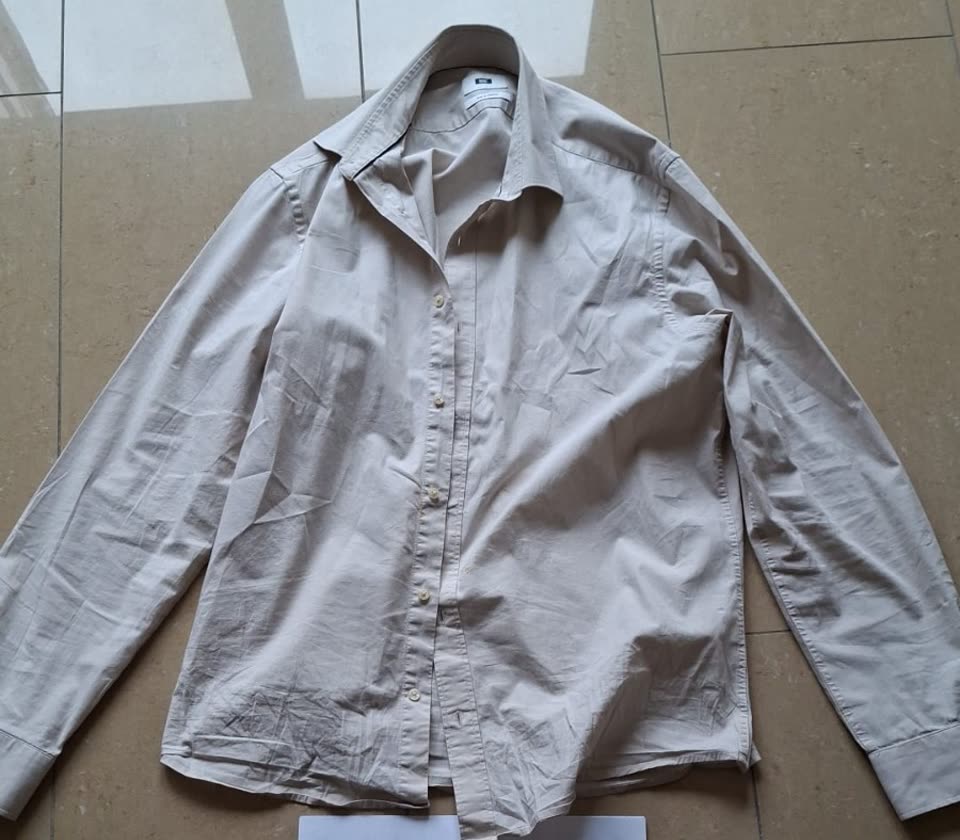
Read from the photoReal prototype outputExample order A asks forPlanned matching, not built yet
Garment typeShirtShirt
ColourLight beigeLight colours
PatternSolidSolid
SleevesLong sleeveLong sleeve
FabricCotton or cotton blendInferred, 65% confidenceCotton
Order A priority: highStill needed: 60%
Planned decision: route to order A once an operator confirms the fabric.
One shirt, checked against the open order book
Every open order has a specification, a priority and a quantity still needed. The planned order engine would compare each garment with all open orders and choose one destination. If no order fits, the garment takes the next best route, such as resale or material recovery.
| Example order | Specification | Priority | Still needed | Planned decision for this shirt |
|---|---|---|---|---|
| A | Long-sleeve shirts, cotton, light colours, solid | High | 60% | Chosen. All visible requirements match; an operator confirms the fabric first. |
| B | Shirts, any colour | Normal | 30% | Also fits, but ranks below A on priority. |
| C | Light cotton shirts | High | Filled | Skipped. The order is already complete. |
| D | Wool knitwear | High | 40% | No match. The garment is not knitwear. |
Discuss a pilot
Interested in discussing a pilot? Email us at info@dispute.com.